What is Canine Coronavirus?
The canine coronavirus is an infectious disease that typically affects unvaccinated young puppies. However, unvaccinated adults can also become infected by this viral disease.
The canine coronavirus infection is not the same as the SARS CoV-2 virus that caused the worldwide COVID-19 pandemic.
Canine coronavirus cannot infect human beings. However, it can infect other animals belonging to the canid group (wolves, jackals and foxes).
What are the Different Types of Canine Coronavirus?
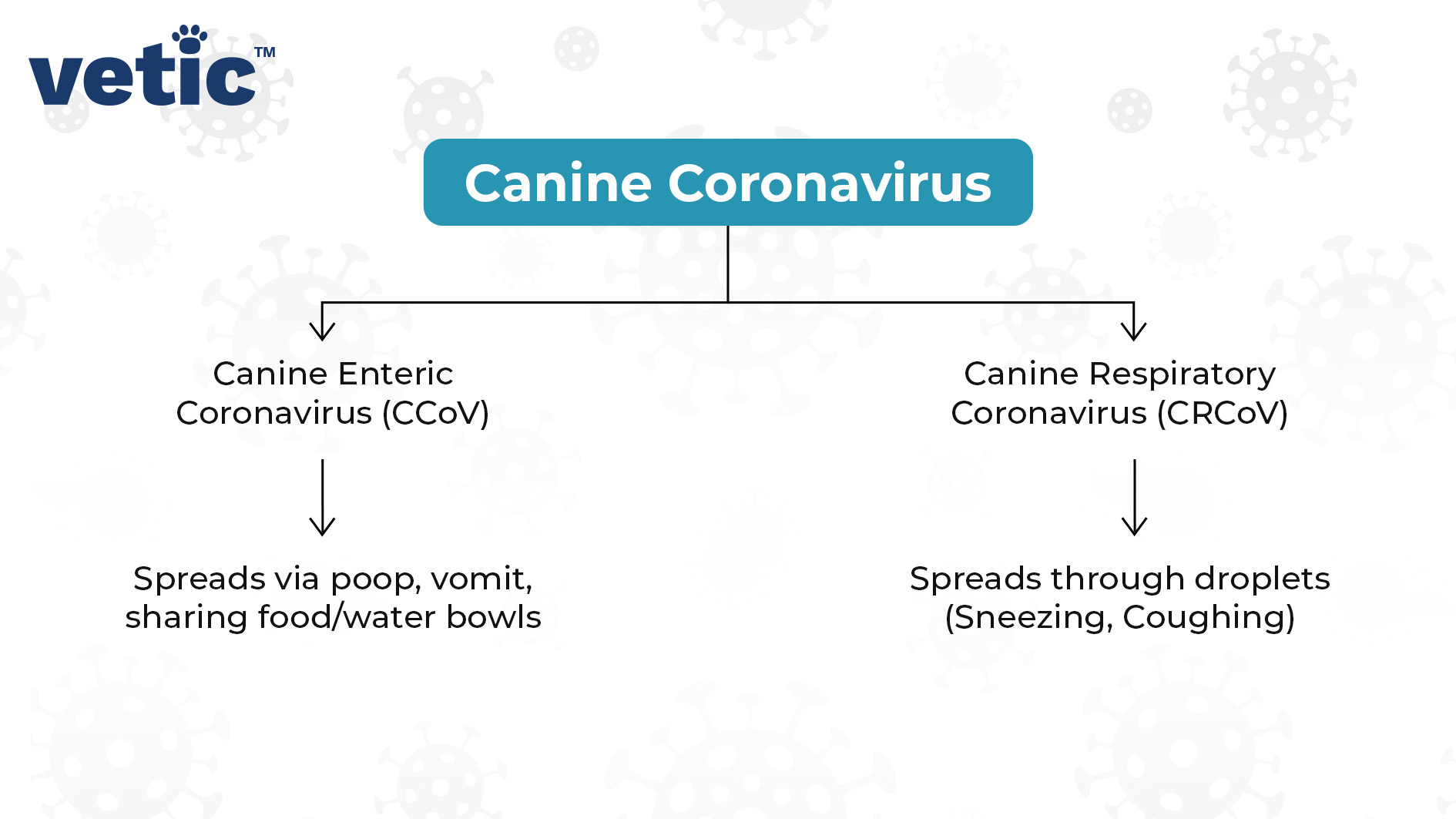
There are primarily two types of canine coronavirus in India – the enteric canine coronavirus and the respiratory canine coronavirus.
As you may understand by their names, the enteric canine coronavirus affects the gastrointestinal tract and the respiratory canine coronavirus affects the respiratory tract.
How Can Dogs Get the Canine Coronavirus?
There are two distinct types of canine coronavirus strains that have different modes of transmission among dogs.
How Does Canine Enteric Coronavirus Spread?
Most canine enteric coronavirus (CCoV) infections spread through the faecal-oral route. In simpler words, infected dogs and pups shed the virus with their poop. A healthy puppy or dog who is unvaccinated can contract the viral disease by licking the infected poop during walk, or play.
A dog may also fall sick by sharing food bowls and water bowls with the infected dog.
These are the reasons canine coronavirus infections are more commonly spread from dog boardings, dog parks and pet shops.
How Does Canine Respiratory Coronavirus Spread?
The canine respiratory coronavirus (CRCoV) spreads a lot like the common cold or the flu virus. It can be transmitted through droplets from one dog to another. The viral particles may also become airborne if the infected puppy sneezes or coughs.
Canine respiratory virus can infect dogs of any age. It spreads rapidly in kennels, dog boardings, and pet shop environments. Canine respiratory coronavirus is one of the most prevalent causes of canine infectious respiratory disease (CIRD) complex (often referred to as Kennel Cough).
What are the Signs of Canine Coronavirus Infection?
Canine Enteric Coronavirus Signs
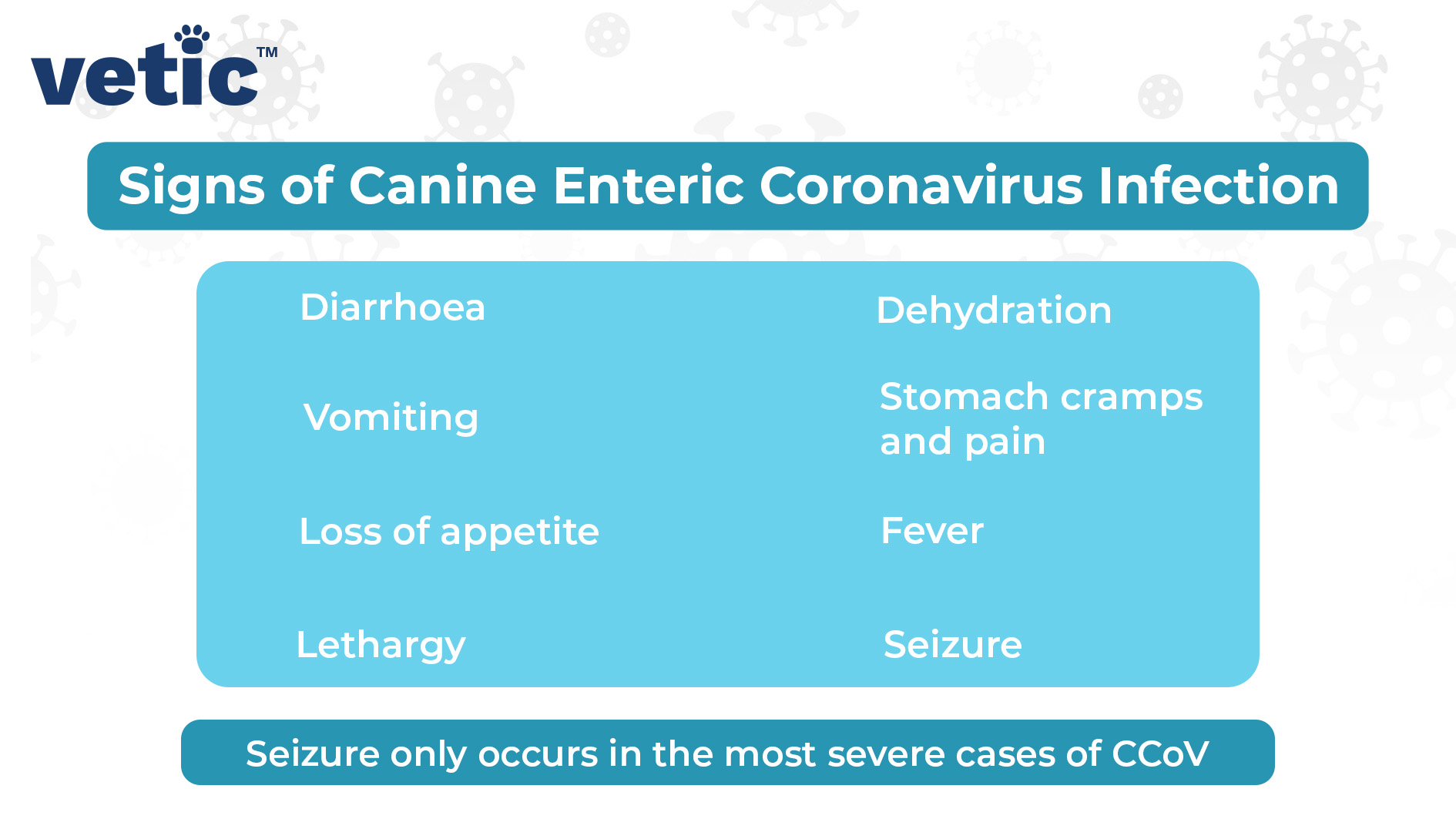
The common signs of the enteric canine coronavirus infection is very similar to that of canine parvo. These may include –
- Diarrhoea
- Vomiting
- Loss of appetite
- Lethargy
- Dehydration
- Stomach cramps and pain
- Fever
- Seizure
Fever and seizure are not common for all cases of enteric canine coronavirus infections. Seizures only occur in the most extreme cases.
Canine Respiratory Coronavirus Signs
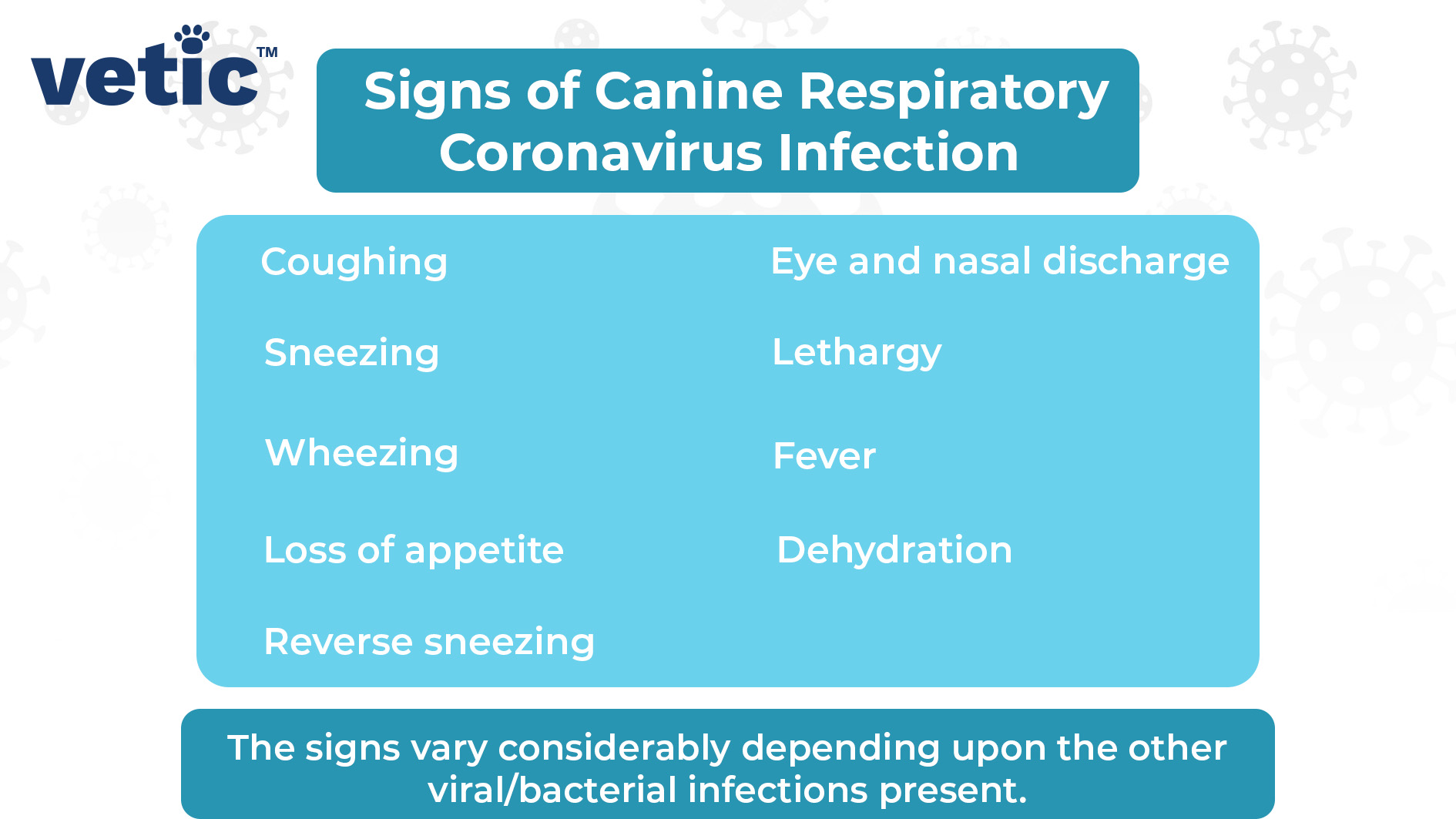
The CRCoV is a part of the CIRD complex and it shares symptoms with almost all other common infectious respiratory diseases in dogs. The common signs of respiratory canine coronavirus include –
- Coughing
- Sneezing
- Wheezing
- Gagging or regurgitation
- Reverse sneezing
- Eye and nasal discharge
- Lethargy
- Fever
- Loss of appetite
- Dehydration
The signs of canine respiratory coronavirus infection will vary considerably depending on the other bacteria or viruses involved in the infection.
CRCoV infection rarely occurs alone. It works as a complex of various infections which can be viral or bacterial. These other infections that occur with canine respiratory coronavirus include –
- Canine distemper virus (CDV)
- Canine influenza virus
- Canine parainfluenza virus
- Canine adenovirus
- Canine pneumovirus
- Bordetella infection
- Mycoplasma infection
- Streptococcus infections
Many of the infections mentioned in this section including CDV, Canine parainfluenza virus and canine adenovirus can be deadly for unvaccinated puppies.
If you are a (potential) puppy parent, always ensure your pup’s vaccines are up to date before you take them out for socialisation or potty training.
Why is Canine Coronavirus Diagnosis Challenging from Observation ONLY?
Whether it is the enteric or respiratory form of the disease it is extremely difficult to conclusively diagnose canine coronavirus infection just through physiological signs.
The enteric form of the infection causes signs that are very similar to parvovirus and the respiratory form of canine coronavirus infection causes signs similar to myriads of other respiratory diseases in dogs including the canine flu.
It is imperative to consult a veterinarian if you notice any sign that is similar to the canine coronavirus disease.
How is Canine Coronavirus Infection Diagnosed?
Your veterinarian will run thorough diagnostic tests including –
Blood Tests
Blood tests will include complete blood count (CBC) and blood chemistry tests. The reports will give the vet an idea about the overall health of your pup, and the nature of the infection.
X-ray and USG
Your veterinarian may recommend an X-ray of your dog’s chest or a USG of their abdomen to rule out other possible causes of the signs.
Canine Coronavirus Kit Test
The veterinarian will likely give canine coronavirus detection tests along with tests for canine parvo if your dog has the signs of the enteric form of the disease.
What is the Treatment of Canine Coronavirus Infection?
There is no specific treatment for any canine coronavirus infection. The treatment will depend upon your pup’s medical history and overall health.
Antibiotics do not treat viral infections. However, your veterinarian will likely prescribe suitable antibiotics for your pup to prevent or limit secondary bacterial infections.
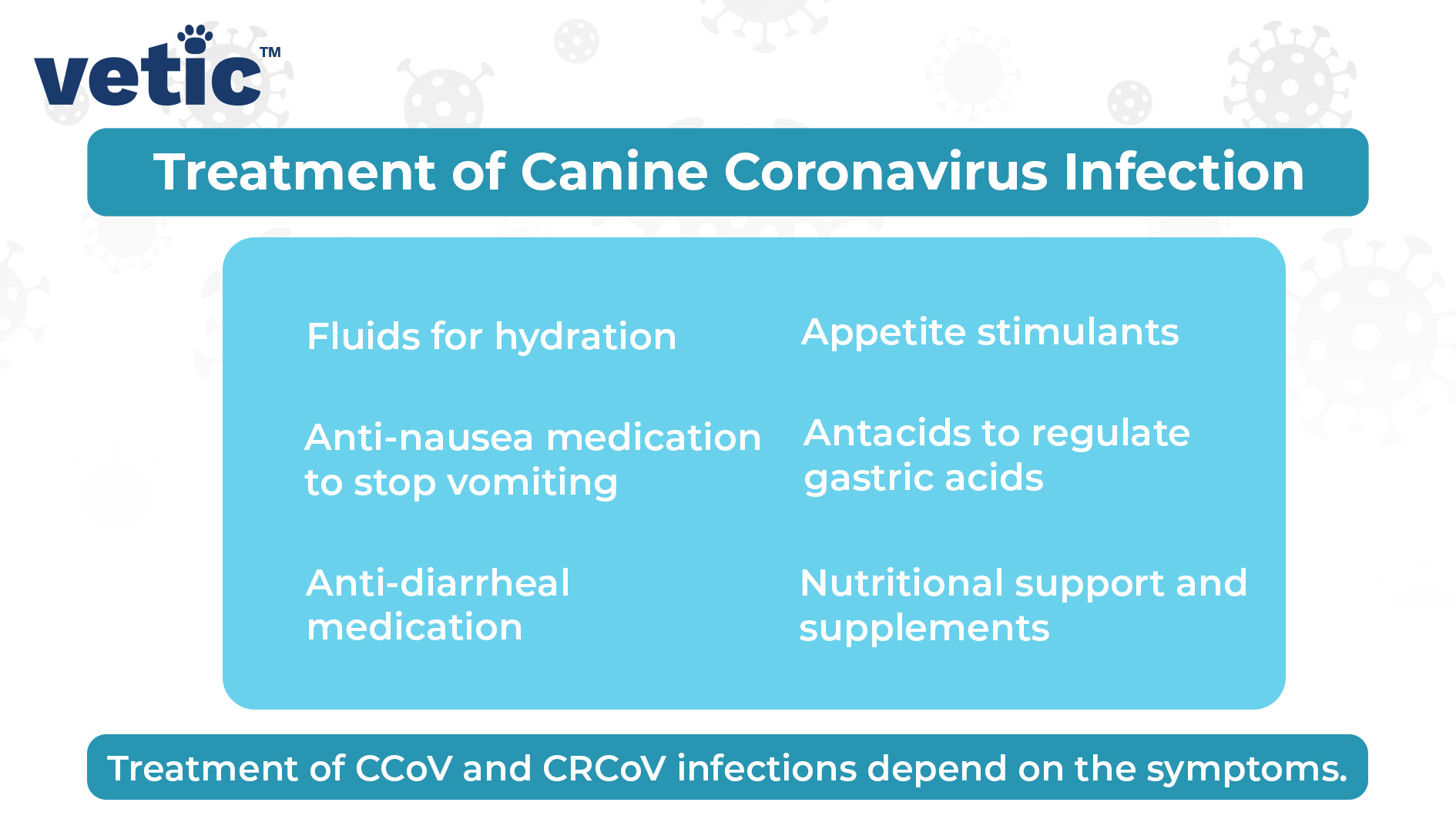
Canine coronavirus infection treatment is based on the symptoms. So, your pup may receive –
- Fluids for hydration
- Anti-nausea medication to stop vomiting
- Antacids to regulate gastric acids
- Anti-diarrheal medication
- Appetite stimulants
- Nutritional support and supplements
For Canine Respiratory Coronavirus, the doctor might also recommend nebulisation in addition to the above mentioned treatments for your puppy if they have severe breathing distress.
Whether your dog will receive these medicines orally or through IV will depend on the severity of the signs.
Some pups may also require heat and oxygen support during the treatment of canine coronavirus infection.
How Can You Protect Your Dog From Canine Coronavirus Infections?
You can protect your puppy or dog from the canine enteric coronavirus (CCoV) infection by vaccinating them on time.
However, this vaccine does not provide immunity against the canine enteric coronavirus (CECoV) infection. So, vaccinate your dog with DHPPiL and Kennel Cough to minimise their chances of them catching the respiratory form of the viral disease.
If your puppy is too young and has not received all the doses of their vaccines, avoid kennels, dog boardings, dog parks and other puppy/dog gatherings until they are fully vaccinated.